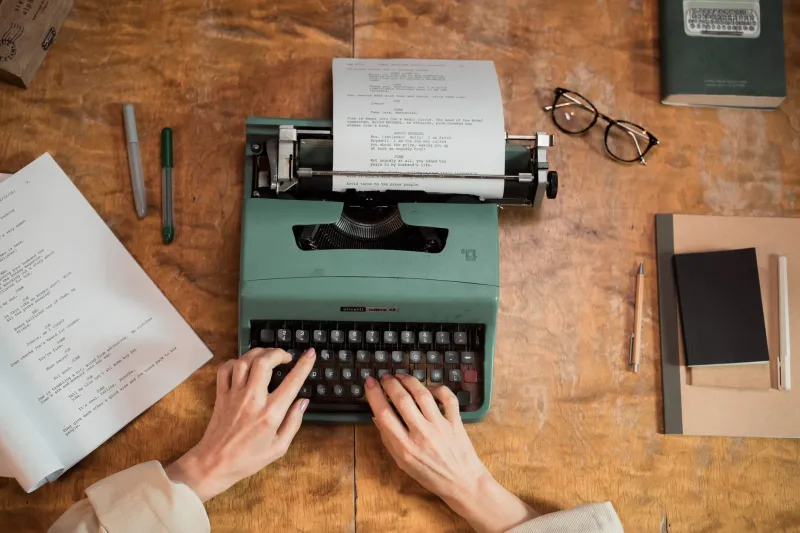
The Unbuttoned Voice: Why America Can't Stop Reading Its Writers' Mail
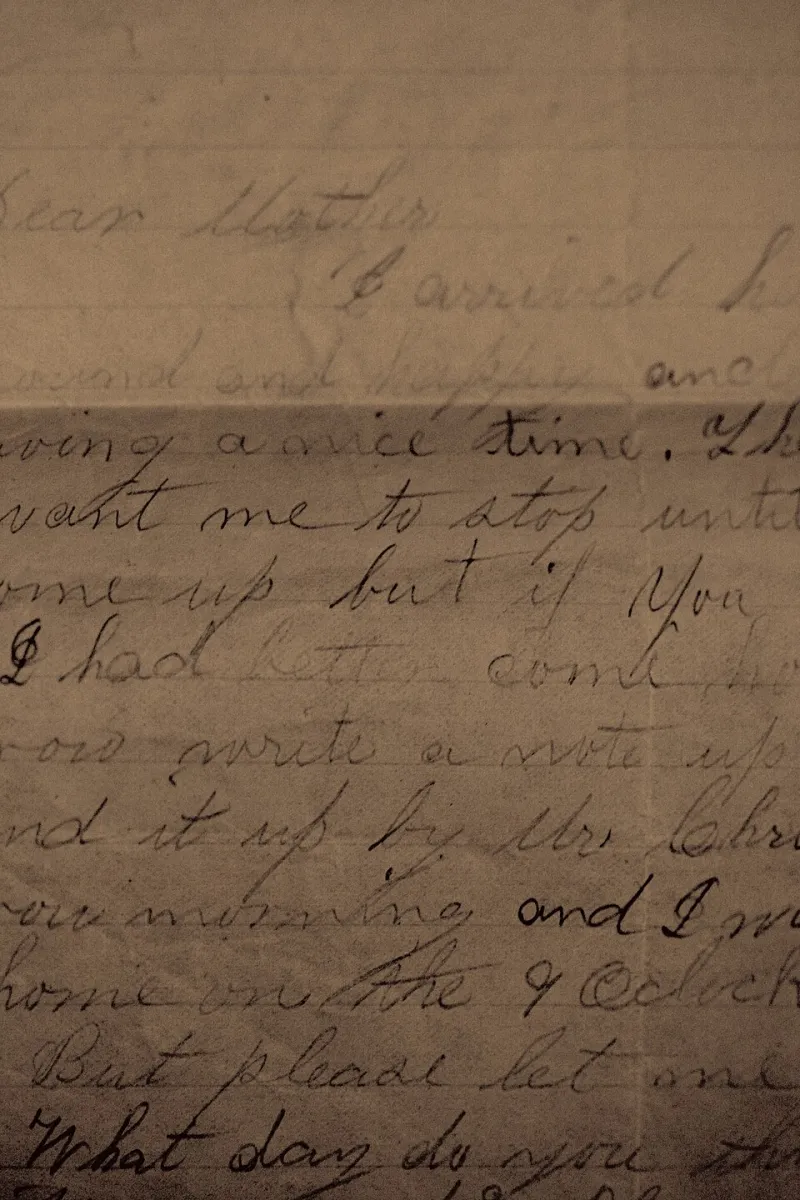
Photo: Pink Sherbet Photography from USA, CC BY 2.0, via Wikimedia Commons
There is a particular thrill in reading a great novelist's grocery list. Not because the list is great — usually it is not — but because it is not a performance, or at least not a performance with us in mind. The letter, unlike the novel, was written without an audience of strangers. That is precisely its seduction, and precisely why American readers have fallen so hard for the genre of correspondence in recent years.
The Archive Goes Public
The past decade has seen an extraordinary migration of private papers into public view. University collections from Iowa to Chapel Hill have published, digitized, and annotated the letters of major American writers at a pace that would have been unthinkable when a scholar needed a grant and a plane ticket to glimpse a single envelope. The result is a strange inversion: correspondence once considered the scholar's raw material has become, for many readers, the finished product.
And it is not merely an academic phenomenon. A single scanned letter — a novelist griping about a bad review, confessing doubt about a nearly finished manuscript, asking a friend for money — can circulate online faster than any review. The letter has become a form of literary content, clipped and shared like a song lyric, prized for its authenticity in an era suspicious of polish.
What the Letter Knows That the Novel Doesn't
The novel, whatever else it is, is a machine for controlling impression. Every sentence has been weighed, revised, and arranged to produce an effect. The letter is different in kind, not merely degree. It is written in the present tense of a life being lived — deadlines looming, marriages fraying, rent due. Its tenses are anxious. Its paragraphs trail off. It does not know how things will turn out.
This is what the novel structurally cannot offer: a writer caught before the shaping hand finished its work. When we read a letter in which an author admits that the book everyone now reveres felt, mid-composition, like a failure, we are reading the counterfactual — the version of the career before it hardened into a career.
There is also a formal pleasure here that deserves more attention than it gets. The best letter writers are, almost by definition, masters of the aside. Freed from the obligations of plot and structure, they cultivate a voice that is quicker, funnier, meaner, more vulnerable than the public one. The letter is where the style goes off duty and the temperament shows through.
The Ethics of the Peephole
None of this is uncomplicated. Most correspondence was written with the understanding — sometimes explicit, sometimes merely assumed — that it was private. That the letters of the dead have passed into public domain is a legal fact, not a moral one. A writer who confided a fear of mediocrity to a spouse did not consent to becoming a case study in our essayistic appetite for vulnerability.
Yet readers keep reading, and the reason is not prurience, or not only. The letter satisfies a hunger the published work can never address: the desire to know not what the book means, but what it cost. In a culture increasingly attentive to the labor behind the artifact, correspondence is the closest we get to the workshop floor.
Reading Backward, Reading Forward
Perhaps the healthiest way to hold this material is as a companion and a corrective, not a replacement. The letter should send us back to the novel, not stand in for it. Read the correspondence of any major American writer and you will find the same pattern: the private voice doubts what the public voice asserts. The gap between the two is where the actual work happened.
The letter's second life, then, is not a betrayal of literature but a reminder of it. Books are not found objects; they are made by particular, worried, funny, broke human beings writing to someone else at midnight. The correspondence lets us stand in that room for a moment. Then we should close the drawer and return to the shelf.